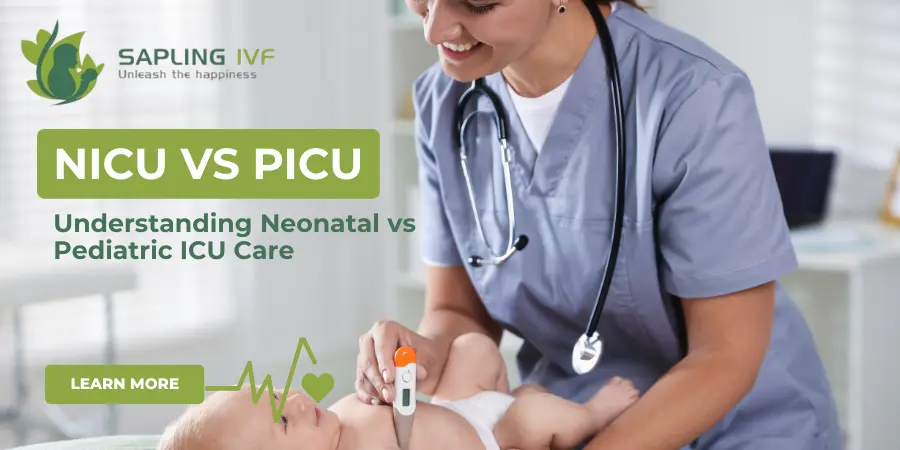

When a baby or child requires intensive medical attention, hospitals provide specialized units designed to deliver advanced monitoring and treatment. Parents often hear terms like NICU vs PICU, but understanding what these units actually mean can feel confusing during an already stressful time.
Both units provide life-saving care, yet they serve different age groups and medical needs. The Neonatal Intensive Care Unit (NICU) focuses on newborns, especially premature or medically fragile babies, while the Pediatric Intensive Care Unit (PICU) treats critically ill infants, children, and teenagers.
In this guide, we explain NICU vs PICU, their differences, the conditions they treat, and when a child may need each type of specialized care. Understanding these differences can help parents feel more prepared and confident when navigating pediatric critical care.
A Neonatal Intensive Care Unit (NICU) is a specialized hospital department that cares for newborn babies who require intensive medical attention immediately after birth.
These babies may be premature, have low birth weight, or experience complications during delivery. NICUs are equipped with advanced technology and staffed by neonatologists, neonatal nurses, and respiratory specialists who focus exclusively on newborn health.
A newborn may be admitted to the NICU if they have:
Premature birth (before 37 weeks of pregnancy)
Low birth weight
Breathing difficulties
Infections
Birth defects
Feeding problems
Jaundice requiring intensive treatment
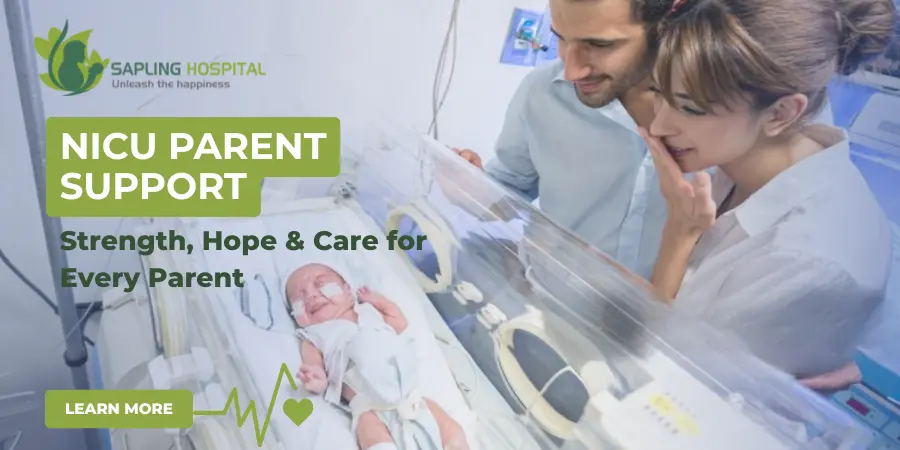
NICU teams monitor babies closely using incubators, ventilators, and advanced monitoring systems to support breathing, temperature regulation, and nutrition.
Parents who want to understand how NICU care works in detail can read this comprehensive guide to neonatal intensive care
Understanding NICU Care in Delhi A Parent’s Guide
A Pediatric Intensive Care Unit (PICU) treats critically ill infants, children, and adolescents who require advanced medical care and continuous monitoring.
Unlike NICU units, which treat newborns immediately after birth, PICUs care for children who develop serious illnesses or injuries later in infancy or childhood.
PICUs are staffed by pediatric intensivists, specialized nurses, respiratory therapists, and pediatric surgeons who are trained to manage complex medical conditions in children.
Children are typically admitted to a PICU for conditions such as:
Severe infections
Respiratory failure
Serious injuries or trauma
Complications after surgery
Heart conditions
Neurological emergencies
Severe asthma attacks
According to the Centers for Disease Control and Prevention, specialized pediatric intensive care significantly improves outcomes for children with severe illness because care is tailored specifically for young patients.
Understanding NICU vs PICU becomes easier when we compare their purpose, patients, and medical focus.
NICU
Treats newborn babies
Usually from birth to around 28 days
Focus on premature or medically fragile infants
PICU
Treats infants, children, and teenagers
Age range from newborns (after stabilization) up to 18 years
Handles serious illnesses or trauma
NICU Care
NICU specialists focus on:
Prematurity complications
Respiratory distress syndrome
Neonatal infections
Feeding and growth challenges
Congenital conditions
PICU Care
PICU teams treat conditions such as:
Severe pneumonia
Cardiac complications
Neurological emergencies
Trauma injuries
Organ failure
Both units use advanced technology, but equipment is tailored to different age groups.
NICU Equipment
Incubators for temperature control
Neonatal ventilators
Feeding tubes
Phototherapy units for jaundice
Heart and oxygen monitors designed for newborns
PICU Equipment
Advanced ventilators for children
Cardiac monitoring systems
Dialysis equipment
Intravenous medication pumps
Surgical recovery monitoring systems
The duration of treatment also differs in NICU vs PICU cases.
NICU Stay
Often lasts weeks or months
Premature babies may remain until they reach stable weight and breathing
PICU Stay
Usually shorter but more acute
Focused on stabilizing critical conditions
| Feature | NICU | PICU |
|---|---|---|
| Full Form | Neonatal Intensive Care Unit | Pediatric Intensive Care Unit |
| Age Group | Newborn babies | Infants, children, teens |
| Main Focus | Prematurity and newborn complications | Critical illnesses and injuries |
| Specialists | Neonatologists | Pediatric intensivists |
| Common Equipment | Incubators, neonatal ventilators | Pediatric ventilators, cardiac monitors |
This comparison highlights how NICU vs PICU units are designed to meet very different medical needs.
Parents often worry about NICU admission, but in many cases it is simply a precaution to ensure the baby receives specialized monitoring.
Premature birth
Low birth weight
Difficulty breathing
Birth complications
Infections detected after delivery
Congenital abnormalities
Understanding the admission process can help reduce anxiety. Parents can learn more about how hospitals manage NICU admissions here:NICU Admission Process for Newborns Complete Guide
PICU care becomes necessary when a child experiences a life-threatening medical condition that requires constant monitoring and advanced support.
Severe pneumonia or breathing failure
Head injuries or trauma
Heart complications
Post-surgical monitoring after complex procedures
Severe infections such as sepsis
According to the World Health Organization, early access to pediatric emergency and intensive care significantly reduces mortality among critically ill children.
Choosing a hospital equipped with advanced neonatal technology and experienced specialists greatly impacts outcomes. A strong NICU care team ensures:
24/7 monitoring
Evidence-based treatment protocols
Emergency readiness
Multidisciplinary pediatric support
For parents exploring options, Sapling Hospitals provides comprehensive newborn and pediatric services under its dedicated Pediatrics Department, supported by advanced NICU facilities.
Facing a medical emergency involving a child can be overwhelming. However, understanding NICU vs PICU helps parents make informed decisions.
Both units are designed to save lives and stabilize critical conditions.
Specialized doctors and nurses provide continuous monitoring.
Advanced medical technology supports breathing, nutrition, and recovery.
Family involvement and emotional support play an important role in a child’s healing.
Hospitals also provide counseling and guidance to help parents navigate treatment decisions and long hospital stays.
Advancements in pediatric medicine have dramatically improved survival rates for critically ill children.
Key innovations include:
Neonatal ventilator technology
Advanced infection control protocols
Specialized neonatal nutrition programs
Pediatric cardiac monitoring systems
Multidisciplinary critical care teams
These developments allow hospitals to deliver safer and more effective care in both NICU and PICU environments.
Understanding the difference between NICU vs PICU is important for parents navigating pediatric healthcare decisions.
In summary:
NICU focuses on newborn babies, especially those born prematurely or with medical complications at birth.
PICU provides intensive care for infants, children, and teenagers with serious illnesses or injuries.
Both units use advanced technology and specialized medical teams to deliver life-saving treatment.
While the terms may sound similar, NICU vs PICU care serves very different patient needs, ensuring every child receives age-appropriate critical care.
If your newborn or child requires specialized pediatric care, early medical support can make a significant difference.
For expert neonatal and pediatric care, consult the specialists at Sapling Hospitals.
The main difference in NICU vs PICU is the age group and medical conditions treated.
The NICU (Neonatal Intensive Care Unit) cares for newborn babies, especially those born prematurely, with low birth weight, or with complications after birth. Neonatologists and specialized nurses monitor babies closely using equipment such as incubators and neonatal ventilators.
In contrast, the PICU (Pediatric Intensive Care Unit) treats critically ill infants, children, and teenagers who require advanced monitoring and treatment. Conditions treated in PICU may include severe infections, respiratory failure, trauma, or complications after surgery.
Both units provide life-saving care but are designed for different stages of childhood development.
A newborn may need NICU care when they require special medical monitoring or treatment immediately after birth.
Common reasons for NICU admission include:
Premature birth (before 37 weeks of pregnancy)
Low birth weight
Breathing problems or respiratory distress
Neonatal infections
Birth complications
Congenital abnormalities
Difficulty feeding or maintaining body temperature
The goal of NICU care is to support the baby’s development until they are stable enough to go home safely. Many babies improve quickly with specialized neonatal care and monitoring.
A child is admitted to the Pediatric Intensive Care Unit (PICU) when they have a serious or life-threatening medical condition that requires constant monitoring and advanced treatment.
Children may need PICU care for conditions such as:
Severe pneumonia or breathing failure
Serious infections such as sepsis
Head injuries or trauma
Heart complications
Severe asthma attacks
Post-surgical monitoring after complex procedures
PICU teams include pediatric intensivists, nurses, respiratory therapists, and specialists who work together to stabilize the child and manage critical conditions.
Yes, in some cases a baby may be transferred from NICU to PICU depending on their medical condition and age.
For example, if a newborn develops complications later in infancy or requires specialized pediatric surgical care, doctors may move the child to the PICU where older infants and children are treated.
However, most premature or newborn-related conditions are managed entirely in the NICU, where the medical team specializes in neonatal health and development.
Doctors carefully evaluate each baby’s condition to determine the most appropriate level of care.
Parents play an important role in supporting their child’s recovery during NICU or PICU care.
Helpful ways parents can participate include:
Staying informed about the child’s medical condition
Communicating regularly with doctors and nurses
Providing emotional comfort and bonding when permitted
Participating in feeding or kangaroo care for newborns when recommended
Following medical guidance after hospital discharge
Hospitals also provide counseling and support services to help families cope with the stress of intensive care treatment.
Early communication with healthcare providers ensures that parents feel confident and actively involved in their child’s care and recovery.
WhatsApp us