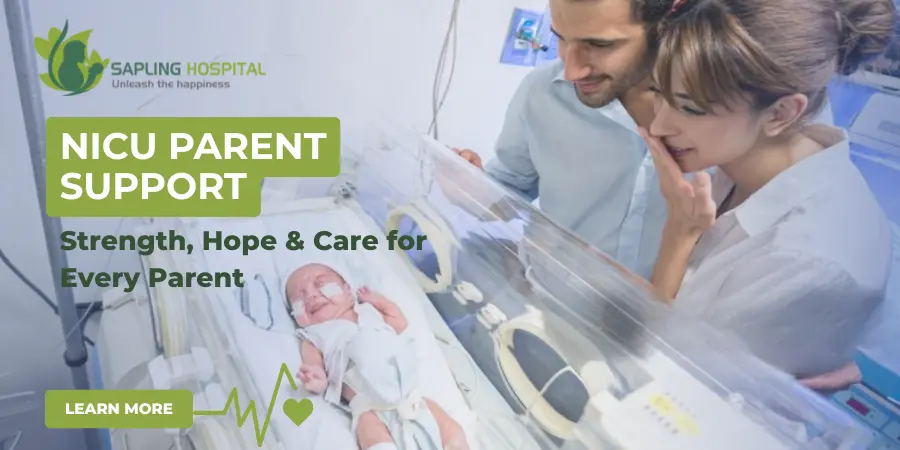

Having a baby admitted to the Neonatal Intensive Care Unit (NICU) can be one of the most overwhelming experiences for parents. NICU parent support becomes essential during this emotionally challenging time, as parents often face anxiety, uncertainty, and emotional exhaustion. While medical teams focus on the baby’s recovery, emotional care for parents is equally important for overall family well-being.
Moreover, understanding how to cope, where to seek help, and how to stay involved can make a significant difference. This guide explores practical ways to strengthen emotional resilience and highlights the importance of structured NICU parent support systems.
When a newborn requires intensive care, parents often experience a rollercoaster of emotions. Initially, shock and fear may take over. However, as days pass, stress, guilt, and helplessness can increase.
Therefore, NICU parent support is not just helpful, it is essential. According to insights from World Health Organization (WHO), emotional well-being plays a key role in both parental health and infant recovery.
The NICU environment can feel intimidating due to advanced medical equipment, constant monitoring, and strict protocols. Consequently, parents may feel disconnected or powerless.
However, learning about the NICU can reduce fear significantly. For example, reading a detailed NICU care guide for parents in Delhi can help families understand procedures and expectations.
Despite these challenges, structured NICU parent support programs can help parents regain confidence and emotional balance.
Although the situation may feel overwhelming, there are proven strategies that can help parents cope effectively.
Understanding your baby’s condition can reduce anxiety. Therefore, communicate openly with doctors and nurses.
It is completely normal to feel sadness, anger, or fear. Acknowledging these emotions is the first step toward healing.
Parents often neglect their own health. However, eating well, sleeping adequately, and taking short breaks are essential.
Creating a daily routine helps bring stability during uncertain times.
Counseling and therapy can significantly improve emotional resilience. According to Mayo Clinic, emotional support and stress management techniques are crucial for parents dealing with medical crises.
Family-centered care plays a vital role in improving both parental and infant outcomes. In fact, hospitals are increasingly encouraging parents to be active participants in their baby’s care.
You can explore how involvement makes a difference through this parental access and involvement in NICU care resource.
Furthermore, parents who actively participate often feel more in control and emotionally stable.
A reliable support system can ease the emotional burden significantly. Therefore, parents should not hesitate to seek help.
Additionally, connecting with other parents going through similar experiences can provide reassurance and hope.
Even though NICU restrictions may limit physical contact, there are many ways to bond with your baby.
These small actions can have a profound impact on both the baby’s development and the parent’s emotional well-being. As a result, NICU parent support strategies often emphasize early bonding techniques.
Stress management is a critical component of NICU parent support. Without proper coping mechanisms, prolonged stress can affect mental and physical health.
Moreover, focusing on small daily improvements rather than long-term uncertainties can help maintain a positive outlook.
The journey does not end after leaving the NICU. In fact, post-discharge care is equally important for both the baby and the parents.
Regular follow-ups with pediatric specialists ensure that the baby continues to grow and develop properly. You can explore comprehensive pediatric care services for ongoing support.
Therefore, continued NICU parent support plays a key role in long-term outcomes.
While stress is normal, certain signs indicate the need for professional intervention.
If these symptoms occur, seeking help from a mental health professional is crucial. Early intervention can prevent long-term emotional challenges.
Healthcare institutions play a vital role in supporting parents emotionally. Therefore, many hospitals are adopting comprehensive support programs.
Such initiatives not only improve parental well-being but also contribute to better clinical outcomes.
Navigating the NICU journey is undoubtedly challenging. However, with the right NICU parent support, parents can find strength, resilience, and hope. By staying informed, seeking help, and staying connected with their baby, families can overcome this difficult phase with confidence.
When your newborn needs specialized care, choosing the right hospital makes all the difference. At Sapling Hospitals, we combine advanced neonatal expertise with compassionate emotional support for parents throughout the NICU journey.
Explore our services and connect with our specialists today on Sapling Hospitals .
Because your baby’s recovery and your peace of mind matter every step of the way.
Coping emotionally during a NICU stay can be challenging, but structured NICU parent support can make a significant difference. Parents should focus on staying informed about their baby’s condition, maintaining open communication with doctors, and accepting their emotions without guilt. Additionally, practicing self-care, such as proper sleep and nutrition, helps maintain emotional strength. Joining support groups or speaking with hospital counselors can also provide reassurance and reduce feelings of isolation.
Parents are considered essential partners in NICU care. They can participate in activities such as kangaroo mother care (skin-to-skin contact), feeding, diaper changes, and comforting the baby. Moreover, parents are involved in understanding treatment plans and making medical decisions. This active involvement improves both the baby’s recovery and the parents’ confidence.
Yes, it is completely normal for parents to experience guilt, anxiety, or fear during this time. Many parents blame themselves for premature birth or complications, even when it is beyond their control. However, these feelings are a natural response to stress. Seeking NICU parent support, whether through counseling, family support, or peer groups, can help parents process these emotions in a healthy way and regain confidence.
Parents should consider professional help if they experience persistent sadness, panic attacks, sleep disturbances, or withdrawal from loved ones. These may be signs of anxiety or depression that require attention. Early intervention through therapy or counseling, often included in NICU parent support services, can prevent long-term emotional challenges and improve overall well-being.
Hospitals play a vital role in providing effective NICU parent support. Many healthcare facilities offer family-centered care, which includes parental involvement in daily routines, regular updates from medical teams, and access to counseling services. Additionally, educational sessions and comfortable family spaces help parents feel more confident and connected. Choosing a hospital with a strong support system can significantly improve both parental experience and infant outcomes.
WhatsApp us