
When a newborn requires intensive medical attention, parents often worry about outcomes and recovery. Understanding NICU survival rates in Delhi can provide clarity, reassurance, and hope. With advancements in neonatal care, highly trained specialists, and modern medical infrastructure, neonatal intensive care units (NICUs) in Delhi have significantly improved survival outcomes for premature and critically ill babies.
In this comprehensive guide, we will explore survival rates, influencing factors, real-life success stories, and how parents can navigate this emotional journey with confidence.
NICU survival rates in Delhi refer to the percentage of newborns admitted to Neonatal Intensive Care Units who successfully recover and are discharged. These rates have steadily improved over the years due to:
Delhi, being a healthcare hub in India, offers access to state-of-the-art NICU facilities that align with global standards. As a result, survival rates for preterm and high-risk infants are now comparable to many developed countries in certain hospitals.
Although NICU outcomes have improved significantly, several factors influence survival rates. Understanding these can help parents set realistic expectations.
The earlier a baby is born, the higher the risk. However, survival rates are improving even for extremely premature infants.
Low birth weight is a key determinant:
Certain conditions may affect outcomes, including:
Hospitals with advanced NICU setups and experienced specialists significantly improve outcomes. Access to ventilators, incubators, and round-the-clock monitoring plays a critical role.
Early diagnosis and immediate NICU admission improve survival chances dramatically.
Delhi’s healthcare ecosystem has evolved rapidly. As a result, NICU survival rates in Delhi are consistently improving due to:
Neonatal care involves a team approach:
Explore comprehensive neonatal and child healthcare services through the hospital’s pediatrics department for holistic care.
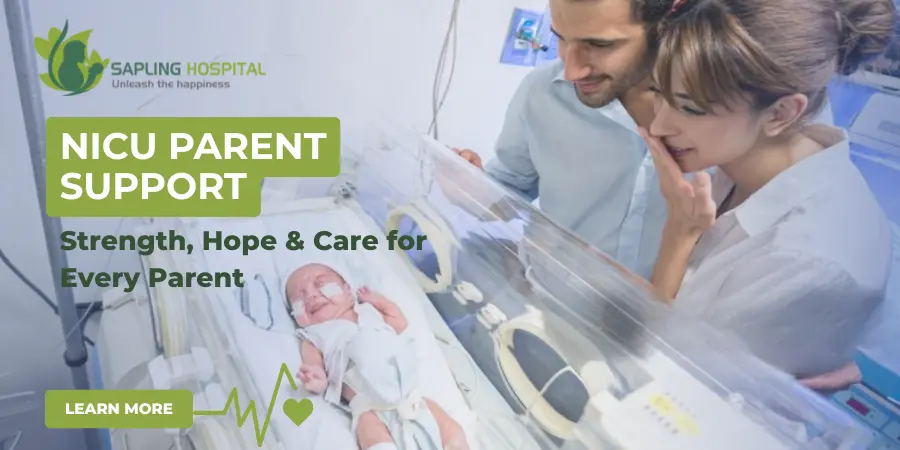
Modern NICUs encourage parental participation, including:
While statistics provide insight, real-life stories offer emotional reassurance. Across Delhi, countless families have witnessed remarkable recoveries.
A baby born at just 28 weeks and weighing under 1 kg required ventilator support for several weeks. With continuous monitoring, nutritional support, and specialized care, the baby gradually gained strength and was discharged after two months. Today, the child is thriving with normal development milestones.
Another newborn diagnosed with severe respiratory distress syndrome required immediate NICU intervention. With timely oxygen therapy and medication, the baby stabilized within days and recovered fully.
A newborn with early-onset sepsis was admitted to the NICU. Prompt antibiotic treatment and intensive monitoring ensured recovery, highlighting the importance of early diagnosis.
These stories reinforce that NICU survival rates in Delhi are not just numbers, they represent real lives saved every day.
Understanding the NICU journey can reduce anxiety and improve preparedness.
For a detailed understanding of the process, read this helpful guide on NICU care in Delhi for parents.
The length of stay varies depending on the baby’s condition. Learn more about expected timelines in this guide on how long babies stay in NICU.
Globally, neonatal survival has improved significantly over the past decades. According to the World Health Organization (WHO), better neonatal care has reduced infant mortality rates worldwide. You can explore global neonatal health data through the WHO’s official newborn health resources.
Similarly, medical institutions like the Mayo Clinic emphasize that early intervention, specialized care, and parental involvement are key to improving outcomes in NICUs.
These global insights align with the improving NICU survival rates in Delhi, reflecting advancements in local healthcare infrastructure.
While the experience can be overwhelming, the following tips can help:
Not all NICUs are the same. Choosing the right facility directly impacts survival outcomes.
Hospitals offering comprehensive pediatric and neonatal services ensure continuity of care from birth through early childhood.
The future looks promising. With continuous improvements in:
NICU survival rates in Delhi are expected to improve even further. Innovations such as AI-based monitoring, telemedicine, and advanced neonatal therapies are shaping the next phase of neonatal care.
Facing a NICU admission can be one of the most challenging experiences for parents. However, understanding NICU survival rates in Delhi provides reassurance that outcomes are improving every year.
With advanced care, skilled specialists, and compassionate support systems, many babies not only survive but go on to lead healthy, fulfilling lives.
For compassionate neonatal care and advanced NICU support, trust the experts at Sapling Hospitals. Their dedicated team ensures the highest standards of care for newborns and complete support for families. Visit today to learn more and schedule a consultation for your child’s health and well-being.
NICU survival rates in Delhi have improved significantly due to advanced neonatal care and experienced specialists. In many well-equipped hospitals, survival rates for babies born after 32 weeks are above 95%. Even for extremely premature babies (below 28 weeks), survival chances are steadily increasing with modern interventions, timely care, and continuous monitoring. However, outcomes may vary depending on the baby’s condition, birth weight, and associated complications.
Several key factors influence NICU survival rates in Delhi, including gestational age, birth weight, presence of infections or congenital conditions, and the quality of NICU facilities. Additionally, early diagnosis, timely medical intervention, and access to experienced neonatologists play a crucial role in improving survival outcomes. Parents should focus on choosing a hospital with advanced NICU infrastructure and a multidisciplinary care team.
Yes, many premature babies treated in NICUs in Delhi go on to live healthy and normal lives. With advancements in neonatal medicine, even babies born very early can achieve normal developmental milestones. Early intervention, proper nutrition, follow-up care, and parental involvement significantly improve long-term outcomes. Regular pediatric check-ups after discharge are essential to monitor growth and development.
The duration of a NICU stay depends on the baby’s medical condition, gestational age, and response to treatment. Some babies may stay for a few days, while others, especially premature infants, may require several weeks or even months of care. Typically, babies are discharged when they can breathe independently, maintain body temperature, and feed properly. Each case is unique, so doctors provide individualized timelines.
Parents play an important role in supporting their baby’s recovery. Following medical advice, staying informed about the baby’s condition, and actively participating in care, such as kangaroo mother care and breastfeeding, can make a positive difference. Emotional resilience and regular communication with doctors also help ensure better outcomes. Choosing a well-equipped NICU facility in Delhi further enhances the chances of survival and recovery.
WhatsApp us