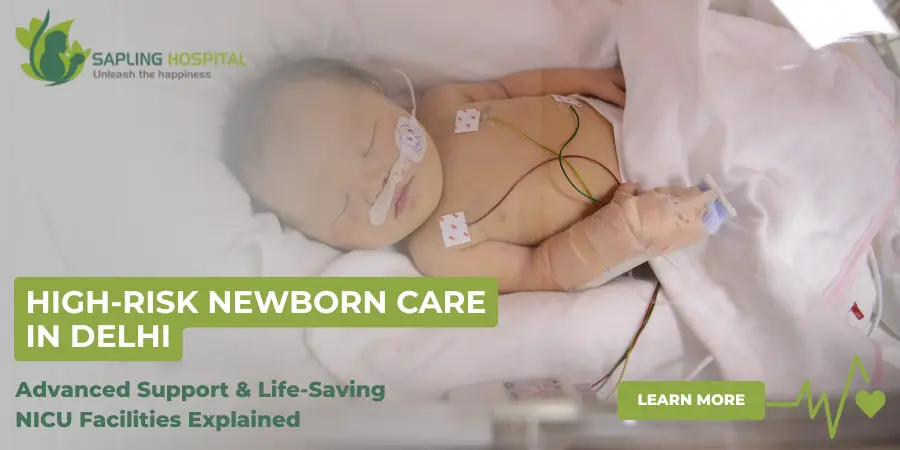
High-risk newborn care in Delhi is a crucial medical need for premature babies, low birth weight infants, or newborns with complications immediately after birth. Parents often feel overwhelmed when their newborn requires specialized attention. Understanding the quality of high-risk newborn care available in Delhi helps them make informed, confident decisions during this emotional time.
High-risk newborn care refers to specialized medical support designed to stabilize and treat newborns who need advanced monitoring, respiratory support, and neonatal interventions. These babies are usually admitted to a Neonatal Intensive Care Unit (NICU) where neonatologists, nurses, and technicians work round-the-clock to ensure safe recovery.
According to global guidelines from organisations like the World Health Organization (WHO), timely neonatal care significantly improves survival outcomes, especially for premature and critically ill infants. (Source: WHO Newborn Health Guidelines)
Delhi has emerged as one of the leading cities for neonatal intensive care, offering:
Level II and Level III NICU facilities
Experienced neonatologists
Advanced monitoring technology
Evidence-based clinical protocols
Skilled neonatal nursing teams
Rapid access to paediatric subspecialties
The city’s healthcare infrastructure ensures that high-risk newborns receive timely interventions and continuous monitoring using global neonatal standards.
Parents often get confused about whether their baby needs NICU admission or simple observation. A newborn might require high-risk care for conditions such as:
Premature birth (born before 37 weeks)
Low birth weight (<2.5 kg)
Birth asphyxia
Breathing difficulties (respiratory distress)
Jaundice requiring intensive phototherapy
Congenital anomalies
Maternal infections during pregnancy
Difficult labour or emergency C-section
Early admission to a NICU improves stability and survival, as noted in scientific reviews from Mayo Clinic (reference: Mayo Clinic Neonatal Care Guidelines).
To ensure optimal care, leading NICU centres in Delhi offer several critical services:
These NICU levels provide life-saving support including:
Non-invasive ventilation (CPAP, HFNC)
Mechanical ventilation
Management of neonatal sepsis
Phototherapy units for high bilirubin levels
Continuous multi-parameter monitoring
Centres with Level III NICU facilities can manage extremely premature babies, high-risk complications, and surgical cases requiring critical post-operative observation.
High-risk newborn care in Delhi relies on specialised equipment, including:
Vital sign monitors
Oxygen saturation trackers
Thermal incubators
Infusion pumps for accurate medication delivery
Such technologies enhance precision and reduce risks during the first few days of life.
Babies in the NICU require minute-to-minute monitoring. Dedicated neonatologists:
Assess the baby’s stability
Decide treatment plans
Coordinate with paediatric specialists
Counsel parents regarding progress
This expert supervision ensures holistic recovery.
Since premature and low-weight babies have underdeveloped immunity, world-class NICUs in Delhi follow:
HEPA air filtration
Dedicated sterile zones
Frequent sanitisation
Limited visitor protocols
Evidence-based antibiotic guidelines
These steps reduce complications and support faster healing.
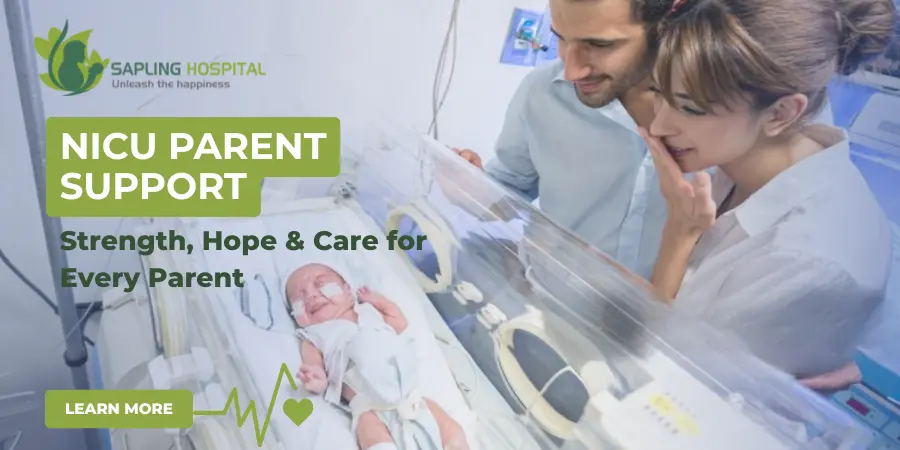
Parents often experience anxiety when their baby requires NICU support. High-quality NICU environments offer reassurance through:
Transparent reporting of daily progress
Regular parent consultations
Nursing support for newborn handling
Counselling on feeding, hygiene, and Kangaroo Mother Care (KMC)
Many Delhi-based newborn units also encourage mother–baby bonding even within NICU settings, promoting emotional comfort and faster recovery.
The first 28 days of life (neonatal period) are medically delicate. The earlier a baby receives high-risk newborn care, the stronger their long-term developmental outlook becomes. Early intervention helps:
Stabilise breathing and oxygenation
Prevent infections
Correct metabolic imbalances
Improve feeding and growth
Reduce the risk of long-term complications
Parents can also explore resources like this parent-oriented guide on NICU care for better understanding of the process, available on Sapling’s blog as NICU care for Delhi parents.
Delhi offers several NICU-based care centres, but choosing the right one involves checking:
Availability of Level II / Level III NICU
Experience of neonatologists
Round-the-clock nursing
Emergency paediatric backup
Infection control standards
Success outcomes for high-risk newborns
For a detailed understanding of NICU levels and their capabilities, parents can read this structured guide on NICU levels in Delhi, which explains Level I, II, and III in simple terms.
Sapling Hospital is known for delivering compassionate, technologically advanced care to critically ill newborns. With:
Dedicated Level II/III NICU
Experienced neonatologists
Updated equipment
24×7 neonatal nursing
Proven clinical protocols
Sapling Hospital supports families facing the challenges of a high-risk birth with empathy and expert precision.
High-risk newborn care in Delhi provides the comprehensive support premature or medically fragile babies require for a safe start to life. With advanced NICU facilities, evidence-based neonatal practices, and specialist-led interventions, parents can trust that their newborn is receiving the highest standard of care.
For expert care and advanced Level III NICU support in Delhi, visit Sapling Hospitals at and give your newborn the safest start to life.
A newborn is considered high-risk when they require advanced monitoring or medical support immediately after birth. Common reasons include prematurity (before 37 weeks), low birth weight (below 2.5 kg), breathing difficulty, infection risk, birth asphyxia, congenital conditions, or complications during delivery. These babies benefit from specialized NICU care where neonatologists can stabilize and treat them using advanced equipment and evidence-based neonatal protocols.
NICU stay varies widely depending on the baby’s condition and developmental maturity. Premature or medically fragile newborns stay until they can breathe independently, maintain body temperature, feed well, and gain weight steadily. Some babies may improve within a few days, while very premature infants may need several weeks. Neonatologists track progress through daily assessments and discharge only when the baby is safe to go home.
Most advanced hospitals in Delhi offer Level II (Special Care) and Level III (Advanced Intensive Care) NICUs.
Level II manages moderate complications, jaundice requiring phototherapy, feeding support, and mild respiratory distress.
Level III manages extremely premature babies, mechanical ventilation, surfactant therapy, and complex medical or surgical conditions.
Parents should verify NICU level availability while choosing a facility for high-risk newborn care in Delhi.
Yes. When provided in a well-equipped NICU, high-risk newborn care is the safest environment for premature infants. These units maintain temperature-controlled incubators, strict infection control, oxygen support, nutritional management, and round-the-clock neonatal monitoring. Scientific evidence shows that early NICU admission significantly improves survival and long-term development in premature babies when overseen by trained neonatologists.
Yes. Most NICUs in Delhi allow parent visits under controlled hygiene protocols to protect the baby. Parents are typically encouraged to practice Kangaroo Mother Care (KMC), which promotes bonding, stabilizes breathing, and improves weight gain in preterm babies. Visiting policies may vary slightly between hospitals, but parental involvement is considered essential for recovery and emotional support.
At Sapling Hospital, we are committed to providing exceptional medical care in Delhi, ensuring the health and happiness of our patients. Specializing in women’s health, maternity care, pediatrics, child healthcare, surgery, and internal medicine, we offer a comprehensive range of healthcare services. Trust our expert team to meet all your maternity and pediatric healthcare needs in Delhi with compassion and advanced medical expertise.
WhatsApp us